ADVERTISEMENT


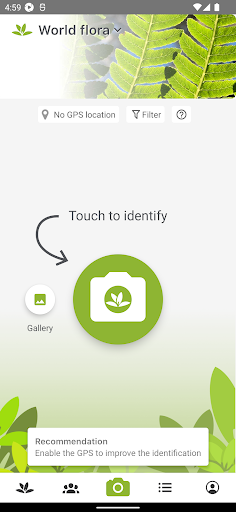
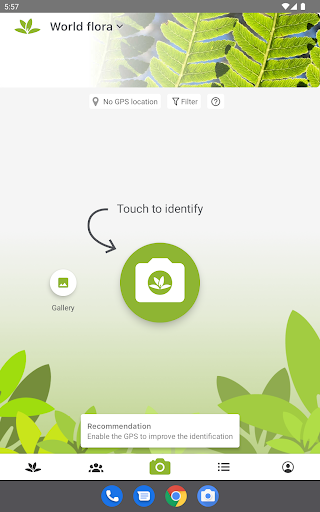
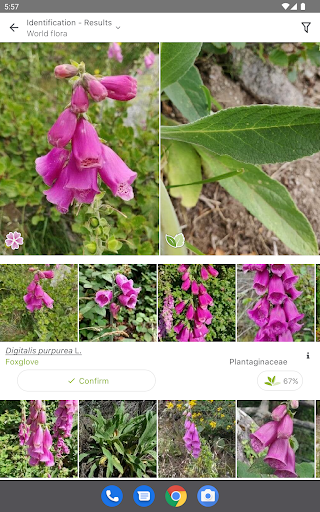
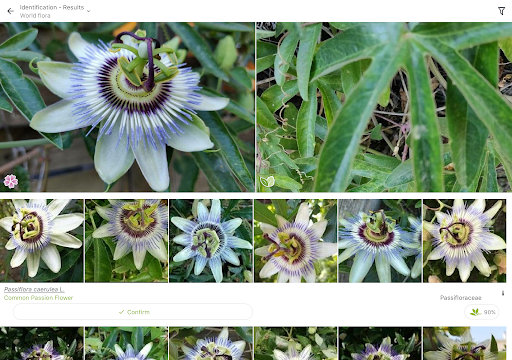
PlantNet Plant Identification App turns your smartphone into a practical field guide, helping you identify plants by photographing them outdoors. It aims to make plant discovery feel immediate and fun.
This free PlantNet Plant Identification app is a strong fit for curious walkers, gardeners, students, and nature lovers who want names and context without needing a botanist nearby. It also serves people who simply notice plants but never know what they are.
The core idea is citizen science. Every observation you capture becomes data that scientists around the world can analyze, supporting research on plant biodiversity and conservation.
You can identify many plant types, including flowering plants, trees, grasses, conifers, ferns, vines, wild salads, and cacti. It can also recognize cultivated plants in parks and gardens, though the focus stays on wild species.
That focus is especially valuable for everyday urban life. Sidewalk plants, garden weeds, and volunteer crops all count, and they are often the most interesting to learn about.
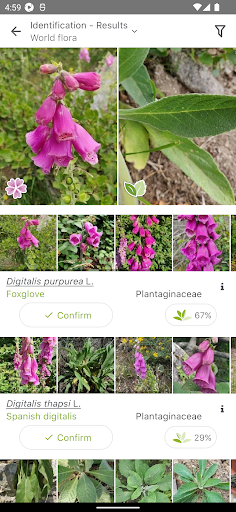
Accuracy improves with better visual information. Many species look similar from afar, and small traits can separate close relatives. Try photographing flowers, fruits, leaves first, then add extra detail like thorns, buds, or stem hair.
A full-plant photo is useful too, but it may not be enough alone for reliable results. Still, combining a whole-plant shot with close-ups typically yields better matches.
As of now, the app can recognize about 20,000 species. The long-term vision is broader coverage, and your participation helps expand the photo library and improve future identifications.
If you are looking at options like Download PlantNet Plant Identification APK or install PlantNet Plant Identification, the web version is also available at https://identify.plantnet.org/ for quick testing.
First, PlantNet Plant Identification App supports identification for many types of plants in nature, not just a single category. That breadth helps you use it in parks, forests, and home gardens alike.
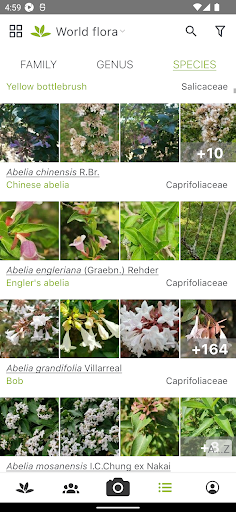
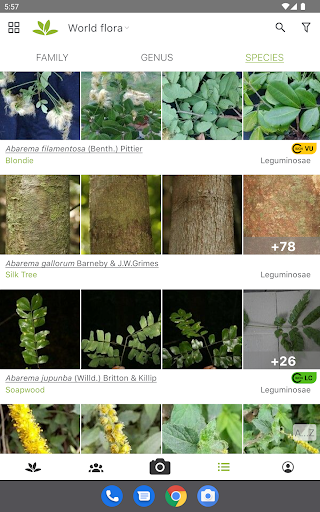
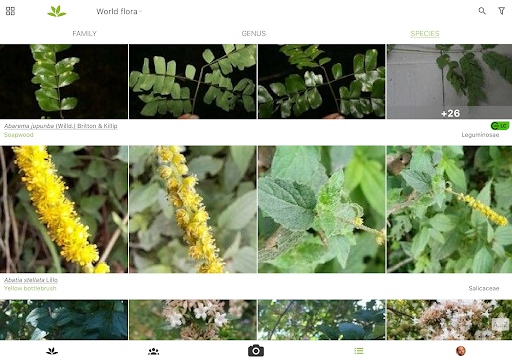
Second, you can filter recognized species by genus or family. This makes results easier to interpret and helps you learn relationships, which is useful when you suspect a plant belongs to a certain group.
Third, there is differentiated data revision. Recognized species can receive additional weight from community members with strong validation records, especially those who have observed many species. This design aims to improve reliability over time.
Fourth, the app includes multi-flora identification. You can search across all floras in the application rather than being stuck in only one region. That matters when you are traveling or unsure which flora applies.
Together, these functions support both beginners and experienced plant watchers, making the free PlantNet Plant Identification app worth keeping on your phone.
For people planning PlantNet Plant Identification App Download, these improvements are part of what makes the app feel more responsive and educational than a basic photo classifier.
One advantage is the learning path. Mapping your observations, navigating image galleries at different taxonomic levels, and using factsheets help you move from “What is this?” to “What else should I notice?”
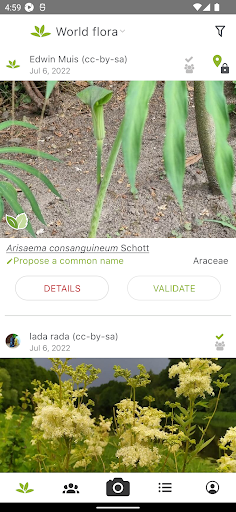
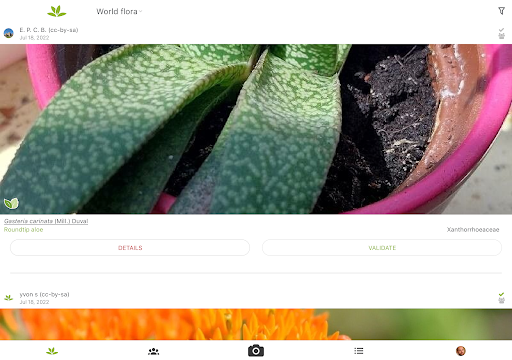
A second advantage is community validation and re-identification of shared observations. When multiple users photograph similar plants, the system can refine matches and strengthen the species gallery over time.
A third advantage is practical usability in real life. You can select favorite floras for faster access, and you can rely on the app when you encounter unfamiliar plants on sidewalks or while gardening.
Even when you pursue PlantNet Plant Identification free download options, the overall experience is centered on better understanding, not just names, which makes it a good long-term companion.
Still, the app continues to evolve, and that brings us to areas where improvement could make it even stronger.
Many users praise how approachable the PlantNet Plant Identification App feels. People often mention that quick photo-based identification is surprisingly helpful when they are away from reference books.
Users also tend to like the educational angle. Comments commonly highlight the value of links to factsheets, the maps of observations, and the way the app encourages repeat learning through better photos.
On the other hand, some feedback is about confidence levels. Reviewers sometimes report that similar-looking species can appear in the results, especially when the image lacks key organs like flowers or fruits.
Another common concern is that identification can vary depending on photo quality and angles. Some people say they get clearer outcomes when they can take close-ups rather than relying on a single wide shot.
Finally, a few users mention friction in workflow. For example, some find it easier to install PlantNet Plant Identification via one route than another, and they may prefer straightforward guidance when doing PlantNet Plant Identification App Download.
Even with these limitations, many reviewers still recommend the free PlantNet Plant Identification app because it makes plant learning feel achievable, whether you are trying Download PlantNet Plant Identification APK or testing the web tool.
Overall, user reactions suggest the app is most powerful when you combine patience with visual detail. When you do, you get both a likely ID and a better appreciation for plant diversity.